


The Role of Legal Support in Extradition Cases
Extradition is a complex legal process that involves the transfer of an individual from one jurisdiction to another to face criminal charges. It is a crucial aspect of international law aimed at ensuring that fugitives are held accountable for their actions, regardless of where they escape. Legal support in extradition cases is vital, as it can significantly impact the outcome of the proceedings. For a deeper understanding of how lawyers assist in cross-border cases, you can visit extradition legal support https://contactdance.co.uk/pages/?extradition-legal-support-how-lawyers-assist-in-cross-border-cases.html.
Understanding Extradition
Extradition is defined by treaties between countries, which establish the legal framework for the surrender of criminal suspects. These treaties outline the types of crimes that are extraditable, the legal processes involved, and the rights of the individual subject to extradition. While the general principle of extradition is to pursue justice, the specifics can vary significantly from one jurisdiction to another.
The Need for Legal Support
Given the complexity and potential consequences of extradition, having qualified legal support is essential for individuals facing extradition requests. Lawyers who specialize in extradition law have an in-depth understanding of both domestic and international legal standards and can provide invaluable assistance throughout the process. They can help negotiate terms, interpret treaties, and navigate the often-overlapping jurisdictions involved.
Legal Framework for Extradition
The legal framework for extradition is primarily established through international treaties. Some countries have bilateral treaties with specific nations, while others adhere to multilateral treaties like the European Arrest Warrant within the EU. Each treaty outlines the criteria for extradition, including what constitutes an extraditable offense, the documentation required, and the procedures that must be followed. Legal experts can help defendants understand these complex rules and their implications.
Grounds for Refusing Extradition
There are several common grounds on which extradition may be refused, and understanding these is critical for legal representation. These grounds may include:
- Political Offense Exception: Many treaties prohibit extradition for crimes that are deemed political in nature.
- Risk of Inhumane Treatment: If there is a risk that the individual will face torture, inhumane treatment, or unfair trial procedures, extradition may be denied.
- Dual Criminality: The principle of dual criminality requires that the act for which extradition is sought must be a crime in both jurisdictions.
The Role of Extradition Lawyers
Extradition lawyers play diverse roles throughout the extradition process. Their responsibilities include:
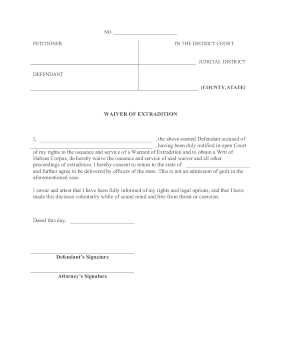
- Advising Clients: They provide clients with guidance on their legal rights and options, including the potential outcomes of extradition proceedings.
- Representing in Court: If a court hearing is required, lawyers represent the individual before the judiciary to contest the extradition request.
- Negotiating with Authorities: In some cases, lawyers may negotiate with the requesting state to reach favorable terms, such as plea agreements or alternative resolutions.
- Appeals: If extradition is ordered, legal support is crucial for challenging the decision through appeals in higher courts.
Challenges Faced in Extradition Cases
Extradition proceedings can be particularly challenging due to various factors, including:
- Differences in Legal Systems: Disparities between legal systems can complicate the process, as what is acceptable in one jurisdiction may be prohibited in another.
- Public Interest: High-profile cases often attract media attention, influencing public perception and potentially impacting judicial decisions.
- Time-Consuming Process: Extradition cases can take months or even years, depending on appeals and various legal complexities for both sides.
Conclusion
Extradition is a serious matter that requires the expertise of skilled legal professionals. The right legal support can make a significant difference in the outcome of extradition proceedings. Individuals facing extradition should ensure that they are represented by experienced attorneys who understand the intricacies of both international law and the specific laws of the jurisdictions involved. By navigating these complexities with competent legal support, defendants can better protect their rights and seek a favorable resolution.

 Carretera a la unión S/N colonia
  Tel. (871) 7 50 77 00
 Fax. (871) 7 50 86 97
 idi_97@hotmail.com