

Cultural significance of gambling in modern society a deep dive
Understanding Gambling’s Historical Context
Gambling has been a part of human civilization for centuries, with its roots traced back to ancient cultures that used games of chance for entertainment and decision-making. Ancient Chinese, Roman, and Egyptian societies incorporated gambling into their social fabric, often associating it with rituals and community bonding. The historical significance of gambling extends beyond mere play; it reflects societal values, beliefs, and even the economy of the time. If you’re eager to get involved in modern gaming, you can download Chicken Road 2.0 game APK online from https://chicken-road-2.com.ng/ to understand how gambling evolved into the multifaceted phenomenon we see today.
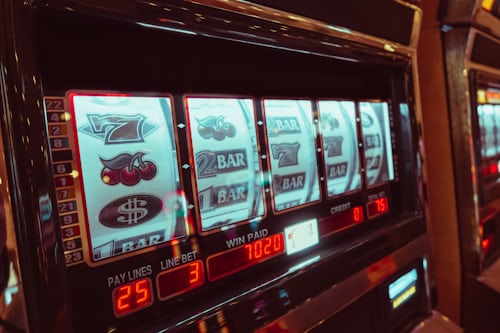
In many cultures, gambling has been linked to notions of luck and fortune, playing a role in social gatherings and celebrations. For instance, betting on horse races became a popular pastime in England during the 18th century, highlighting its integration into the fabric of society. As the world transitioned into the modern era, gambling venues like casinos emerged, reflecting changing attitudes towards leisure and entertainment. These establishments became not only places for gaming but also social hubs that attract diverse groups of people.
The historical progression of gambling illustrates its adaptability to societal changes. As regulations tightened and societal norms shifted, gambling transitioned from underground activities to mainstream acceptance. This evolution raises questions about its cultural significance in modern society, prompting discussions about responsible gambling and its impact on communities.
Gambling as a Form of Entertainment
In modern society, gambling has transformed into a prevalent form of entertainment, captivating millions worldwide. The rise of casinos, online gaming, and sports betting has made gambling accessible and appealing to various demographics. Today, it is not just about the thrill of winning but also about the experience and social engagement it provides. Events like poker tournaments and betting on major sports leagues have elevated gambling into a spectator sport, contributing to its cultural significance.
The social aspect of gambling cannot be understated. Many people gather in casinos or online platforms not solely to gamble but to enjoy the atmosphere and connect with others. These social interactions often lead to friendships and community building, reinforcing the idea that gambling can serve as a bonding activity. In this light, it contributes to cultural narratives surrounding leisure and socialization, with many viewing it as a fun escape from daily life.
Moreover, technological advancements have further integrated gambling into popular culture. Mobile gaming apps and online casinos have revolutionized how people engage with games of chance, making it possible to gamble from virtually anywhere. This ease of access has led to increased participation and has sparked debates about responsible gambling practices and the importance of maintaining a healthy approach to this form of entertainment.
The Economic Impact of Gambling
The economic significance of gambling is profound, with many countries relying on it as a crucial revenue source. Legalized gambling contributes billions of dollars to local and national economies through taxation, job creation, and tourism. Casinos and betting establishments often provide employment opportunities, from hospitality roles to gaming positions, thereby supporting communities and local businesses. Additionally, tourism in regions known for their gambling industries often flourishes, bringing visitors eager to engage in gaming activities.
However, the economic benefits of gambling are complex and come with challenges. While it can drive economic growth, concerns about problem gambling and its societal repercussions must be acknowledged. Communities may face increased costs related to addiction, crime, and family issues stemming from gambling-related problems. Balancing the economic advantages with responsible practices is crucial for sustainable development in regions dependent on gambling as an economic driver.
Furthermore, the debate surrounding the regulation of gambling is ongoing. Governments grapple with finding a balance between encouraging economic growth and protecting vulnerable populations. Initiatives focusing on responsible gambling practices aim to mitigate the negative effects while still reaping the economic rewards. This nuanced relationship between gambling and the economy highlights its cultural significance, as it intertwines with issues of social responsibility and ethical governance.
Gambling and Cultural Identity
Gambling often plays a vital role in shaping cultural identity, with various games and betting practices reflective of local traditions and values. Different cultures have unique forms of gambling that serve as a representation of their history and societal norms. For example, in some Native American communities, gambling has spiritual undertones and is an integral part of cultural gatherings, emphasizing the importance of tradition and community.
Moreover, the representation of gambling in media, literature, and arts has further cemented its place in cultural identity. From classic novels that revolve around gambling themes to modern films showcasing high-stakes poker, these narratives shape perceptions of gambling in society. They often highlight the glamour and risks associated with betting, influencing public attitudes and behaviors towards gambling.
As globalization continues, the blending of gambling practices across cultures is increasingly evident. This interplay enriches cultural narratives and introduces new forms of gaming, fostering a shared understanding while allowing for the preservation of traditional practices. Ultimately, gambling serves as a lens through which cultural identity is expressed, with ongoing discussions about its implications on modern society and its future.
Responsible Gambling and Its Cultural Implications
With the increasing accessibility of gambling, the importance of responsible gambling practices has emerged as a crucial cultural conversation. Public awareness campaigns and educational initiatives focus on teaching individuals about the risks associated with gambling and promoting healthy habits. This shift in focus reflects a growing recognition of the potential consequences of gambling addiction and the need for societal support in mitigating these risks.
As cultural narratives around gambling evolve, the dialogue surrounding responsible practices has become more prominent. This includes the establishment of regulations aimed at protecting vulnerable populations and ensuring fair gaming practices. The rise of technology has also played a role, with online platforms often implementing responsible gambling features, such as self-exclusion options and deposit limits, to foster a healthier gaming environment.
The cultural significance of responsible gambling extends beyond individual practices; it also influences community attitudes and policies. As society becomes more aware of the potential harms of gambling, there is an emphasis on creating supportive environments for those affected. This cultural shift represents a growing commitment to social responsibility and encourages individuals and communities to engage with gambling in a safe and enjoyable manner.

Conclusion: The Future of Gambling in Society
The cultural significance of gambling in modern society is multifaceted, encompassing historical, economic, social, and individual dimensions. As gambling continues to evolve, its role in shaping cultural narratives will undoubtedly be significant. Engaging with gambling responsibly and understanding its implications will be crucial for individuals and communities alike.
As society grapples with the balance between enjoyment and responsibility, ongoing discussions about gambling’s future will likely shape policies and community practices. Embracing a culture of responsible gambling and promoting awareness will be essential for sustaining the positive aspects of this form of entertainment while addressing its potential challenges.

 Carretera a la unión S/N colonia
  Tel. (871) 7 50 77 00
 Fax. (871) 7 50 86 97
 idi_97@hotmail.com